Understanding Authentic Thai Cuisine: Flavors, Ingredients, and Traditions
Thai cuisine is known worldwide for its bold flavors, colorful presentation, and balance of taste. While many people recognize popular dishes like Pad Thai or Green Curry, authentic Thai cuisine goes far beyond these well-known plates. It is deeply connected to culture, geography, and everyday life in Thailand.
At its core, Thai food is about balance. A traditional Thai meal aims to harmonize five key tastes: sweet, salty, sour, spicy, and bitter. Rather than overwhelming the palate, these flavors complement each other, creating complexity even in simple dishes.
Core Ingredients in Thai Cooking
Authentic Thai cuisine relies heavily on fresh, aromatic ingredients. Herbs and spices are not just flavor enhancers; they are central to the identity of each dish.
Common ingredients include:
- Lemongrass
- Galangal
- Kaffir lime leaves
- Thai basil
- Fish sauce
- Palm sugar
These ingredients create the distinctive aroma and taste that define Thai food. Substituting them often changes the character of a dish significantly.
Regional Diversity
Thai cuisine varies greatly by region.
- Central Thailand: Balanced flavors, refined techniques, and dishes like Tom Yum and Green Curry
- Northern Thailand: Mild spices, sticky rice, and herbal notes
- Northeastern Thailand (Isan): Spicy, sour flavors with fermented elements
- Southern Thailand: Rich coconut-based curries and stronger heat
Understanding these regions helps explain why Thai food is so diverse.
Thai Meals as Shared Experiences
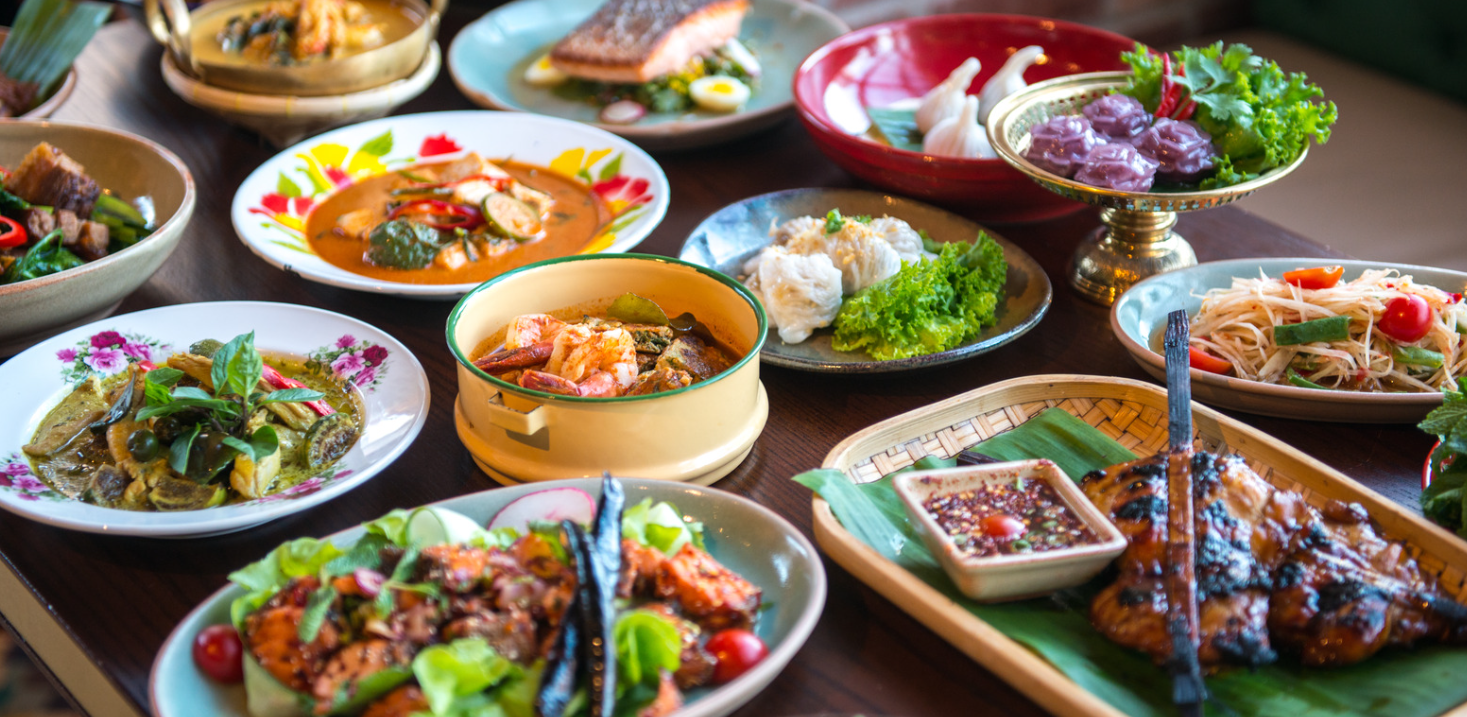
In Thailand, meals are meant to be shared. Instead of individual plates, dishes are placed in the center of the table and eaten together. Rice acts as the foundation, while multiple dishes provide contrast and variety.
This approach encourages conversation and connection, making food a social experience rather than just nourishment.
Street Food vs Home Cooking
Thai street food is famous, but home cooking remains essential. Street vendors offer quick, flavorful meals, while home kitchens focus on comfort and tradition. Both forms are equally respected in Thai culture.
Common Misconceptions
Many people assume Thai food is always extremely spicy. In reality, spice levels vary, and heat is often adjusted to personal preference. Authentic Thai cuisine focuses more on balance than intensity.
Influence on Global Dining
Thai cuisine’s popularity worldwide has led to adaptations. While these versions introduce Thai flavors to new audiences, authentic dishes preserve cultural techniques and ingredient integrity.
Final Thoughts
Authentic Thai cuisine reflects history, environment, and community. Understanding its foundations allows diners to appreciate more than just taste — it reveals a culinary tradition built on balance, freshness, and shared experience.
Leave a Reply