If you're in Middletown and craving an exotic culinary experience, you're in for a treat. Thai cuisine offers a rich tapestry of flavors that promises to invigorate the senses.
Authentic Flavors and Dishes
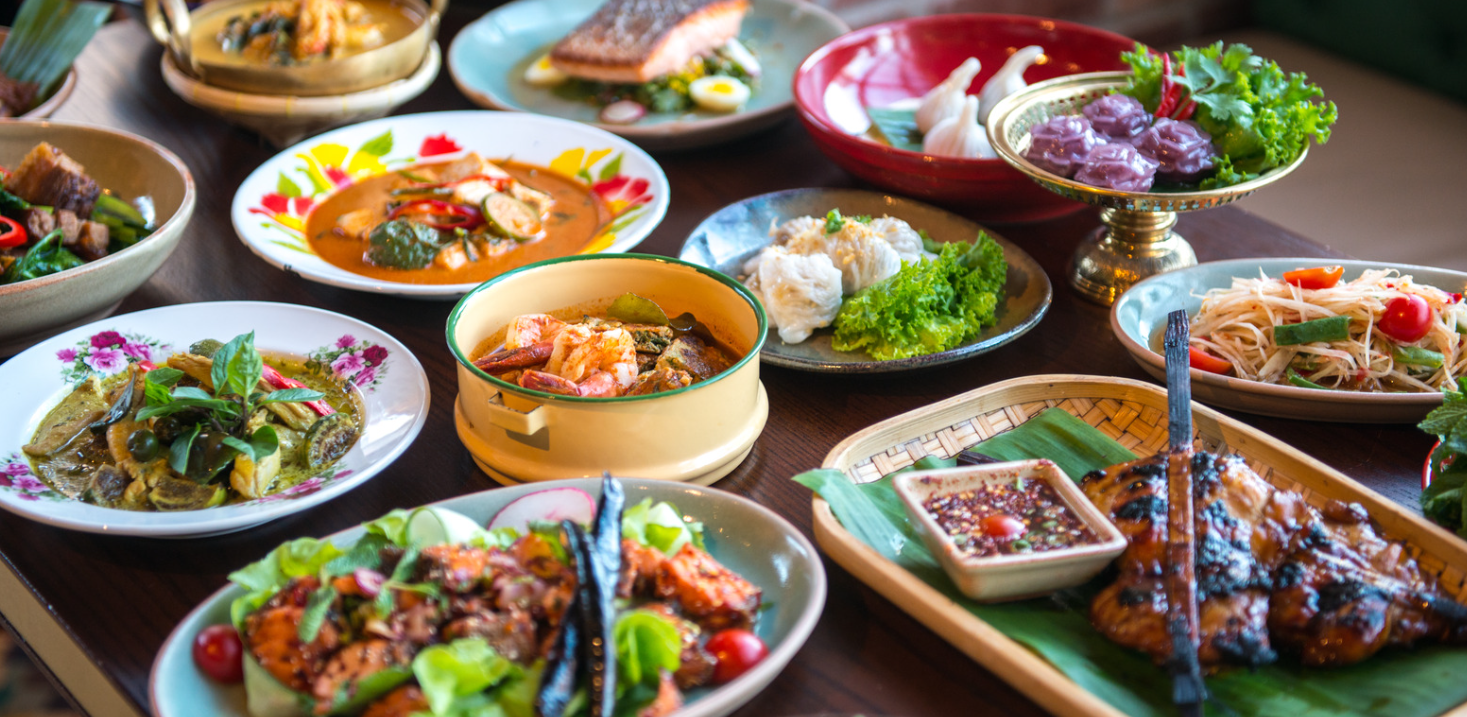
Middletown's Thai restaurants boast a menu filled with traditional favorites like Pad Thai, Tom Yum, and Green Curry. The use of fresh herbs and spices ensures each dish bursts with authentic taste.
Ambiance and Dining Experience
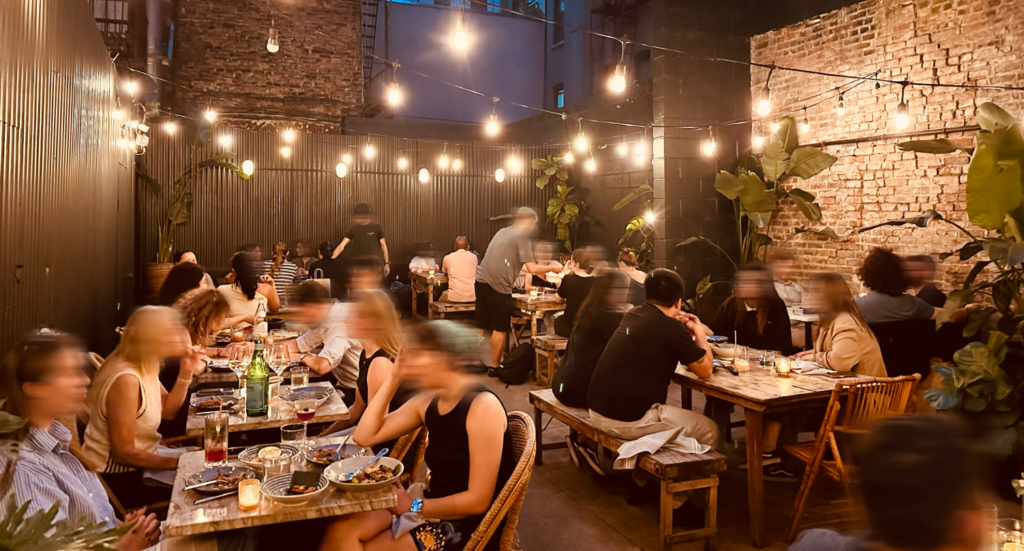
Beyond food, the ambiance plays a vital role. Most Thai restaurants in Middletown offer a warm and inviting atmosphere, transporting diners straight to the heart of Thailand.
Customer Satisfaction
One hallmark of a great dining spot is repeat customers. Many establishments in town enjoy a loyal following, thanks to their consistent quality and friendly service.
In conclusion, when searching for an exceptional dining experience, look no further than the Thai offerings in Middletown. Bon Appétit!
Middletown, Rhode Island, may be known for its coastal charm, but it also offers a growing and diverse dining scene. Among the most popular options are Thai restaurants, which bring bold flavors and comforting dishes to local residents and visitors alike.
Thai restaurants in Middletown often blend authenticity with accessibility, offering menus that appeal to both longtime fans of Thai cuisine and newcomers.
The Local Thai Dining Scene
Local Thai restaurants typically focus on consistency and familiarity. Diners can expect a selection of classic dishes alongside house specialties that reflect the chef’s background and experience.
Popular menu items often include:
Pad Thai
Thai curries
Stir-fried noodle dishes
Soups and rice-based meals
These dishes are adapted slightly to local tastes while maintaining core flavor profiles.
Atmosphere and Service
Thai restaurants in Middletown usually emphasize a relaxed and welcoming atmosphere. Décor may include subtle Thai elements such as artwork, wood accents, and warm lighting.
Service tends to be attentive but informal, reflecting the local dining culture rather than fine-dining expectations.
Ingredient Quality and Preparation
Most local Thai kitchens prioritize freshness. Vegetables are crisp, sauces are prepared daily, and proteins are cooked to order. Spice levels are often customizable, allowing diners to adjust heat based on preference.
This flexibility makes Thai food approachable for a wide audience.
Dine-In vs Takeout
Thai cuisine travels well, making takeout and delivery popular options. Dishes like curries, fried rice, and noodle plates retain their flavor and texture, even after transport.
Dine-in experiences, however, allow guests to enjoy shared dishes and a slower pace.
Community Role
Local Thai restaurants often become community staples. Regular customers build relationships with staff, and restaurants contribute to the area’s cultural diversity.
They also introduce regional flavors and cooking traditions that may otherwise be unfamiliar.
Tips for First-Time Diners
Start with medium spice levels
Ask about daily specials
Try sharing multiple dishes
Pair meals with jasmine rice
These small choices enhance the overall experience.
Final Thoughts
Thai restaurants in Middletown offer more than meals — they provide cultural connection and comfort. Whether dining in or ordering takeout, local Thai cuisine remains a valued part of the area’s food landscape.
Thai cuisine is known worldwide for its bold flavors, colorful presentation, and balance of taste. While many people recognize popular dishes like Pad Thai or Green Curry, authentic Thai cuisine goes far beyond these well-known plates. It is deeply connected to culture, geography, and everyday life in Thailand.
At its core, Thai food is about balance. A traditional Thai meal aims to harmonize five key tastes: sweet, salty, sour, spicy, and bitter. Rather than overwhelming the palate, these flavors complement each other, creating complexity even in simple dishes.
Core Ingredients in Thai Cooking
Authentic Thai cuisine relies heavily on fresh, aromatic ingredients. Herbs and spices are not just flavor enhancers; they are central to the identity of each dish.
Common ingredients include:
Lemongrass
Galangal
Kaffir lime leaves
Thai basil
Fish sauce
Palm sugar
These ingredients create the distinctive aroma and taste that define Thai food. Substituting them often changes the character of a dish significantly.
Regional Diversity
Thai cuisine varies greatly by region.
Central Thailand: Balanced flavors, refined techniques, and dishes like Tom Yum and Green Curry
Northern Thailand: Mild spices, sticky rice, and herbal notes
Northeastern Thailand (Isan): Spicy, sour flavors with fermented elements
Southern Thailand: Rich coconut-based curries and stronger heat
Understanding these regions helps explain why Thai food is so diverse.
Thai Meals as Shared Experiences
In Thailand, meals are meant to be shared. Instead of individual plates, dishes are placed in the center of the table and eaten together. Rice acts as the foundation, while multiple dishes provide contrast and variety.
This approach encourages conversation and connection, making food a social experience rather than just nourishment.
Street Food vs Home Cooking
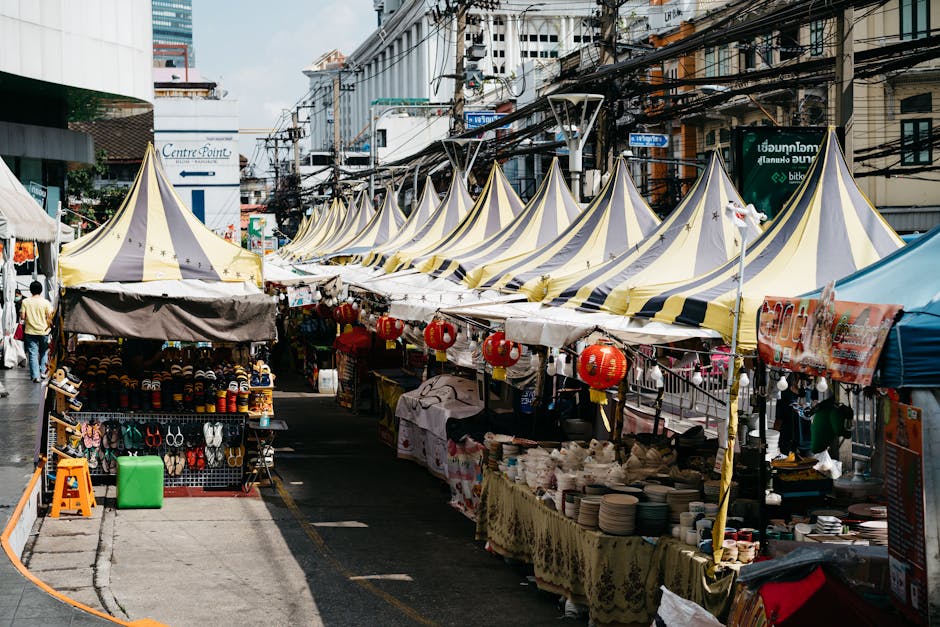
Thai street food is famous, but home cooking remains essential. Street vendors offer quick, flavorful meals, while home kitchens focus on comfort and tradition. Both forms are equally respected in Thai culture.
Common Misconceptions
Many people assume Thai food is always extremely spicy. In reality, spice levels vary, and heat is often adjusted to personal preference. Authentic Thai cuisine focuses more on balance than intensity.
Influence on Global Dining
Thai cuisine’s popularity worldwide has led to adaptations. While these versions introduce Thai flavors to new audiences, authentic dishes preserve cultural techniques and ingredient integrity.
Final Thoughts
Authentic Thai cuisine reflects history, environment, and community. Understanding its foundations allows diners to appreciate more than just taste — it reveals a culinary tradition built on balance, freshness, and shared experience.